Snoring vs. Sleep Apnea: How to Know When It's More Than Annoying
Medically reviewed by The Medical Team at Allergy & ENT Associates of Middle TN | August 2026
Key Points
- Snoring is vibration of throat tissues during sleep, while sleep apnea involves actual pauses in breathing
- Not everyone who snores has sleep apnea, but all untreated sleep apnea includes snoring
- Sleep apnea is a serious medical condition that increases risk of heart attack, stroke, and sudden death
- Common warning signs of sleep apnea include gasping for breath, choking during sleep, and extreme daytime fatigue
- Diagnosis requires a simple sleep study that can be done at home
- Allergy & ENT Associates provides comprehensive evaluation and treatment for both snoring and sleep apnea at four Middle Tennessee locations
Your Partner Is Tired of the Noise (And You're Tired of Being Tired)
Your partner has asked you to do something about your snoring. Again. You can laugh it off at first, but after years of sleeping in separate rooms or getting elbowed at 2 a.m., the humor wears thin. You feel bad that your snoring affects their sleep, but you figure it's just something some people do, right?
Meanwhile, you're exhausted. You sleep eight hours but wake up feeling like you didn't sleep at all. You're dragging through the day, reaching for coffee every few hours just to function. You doze off during meetings or while watching TV. Your memory isn't what it used to be, and your mood has gotten shorter.
You wonder if the snoring and the exhaustion are connected. Is this just annoying snoring, or is something more serious going on?
Here's the truth: snoring can be just a noise, or it can be a warning sign of something potentially dangerous. The difference between "annoying" and "serious" comes down to whether you're actually stopping breathing in your sleep.
Understanding Snoring
Let's start with snoring because it's the more common condition. About 45% of adults snore at least occasionally, and 25% snore regularly.
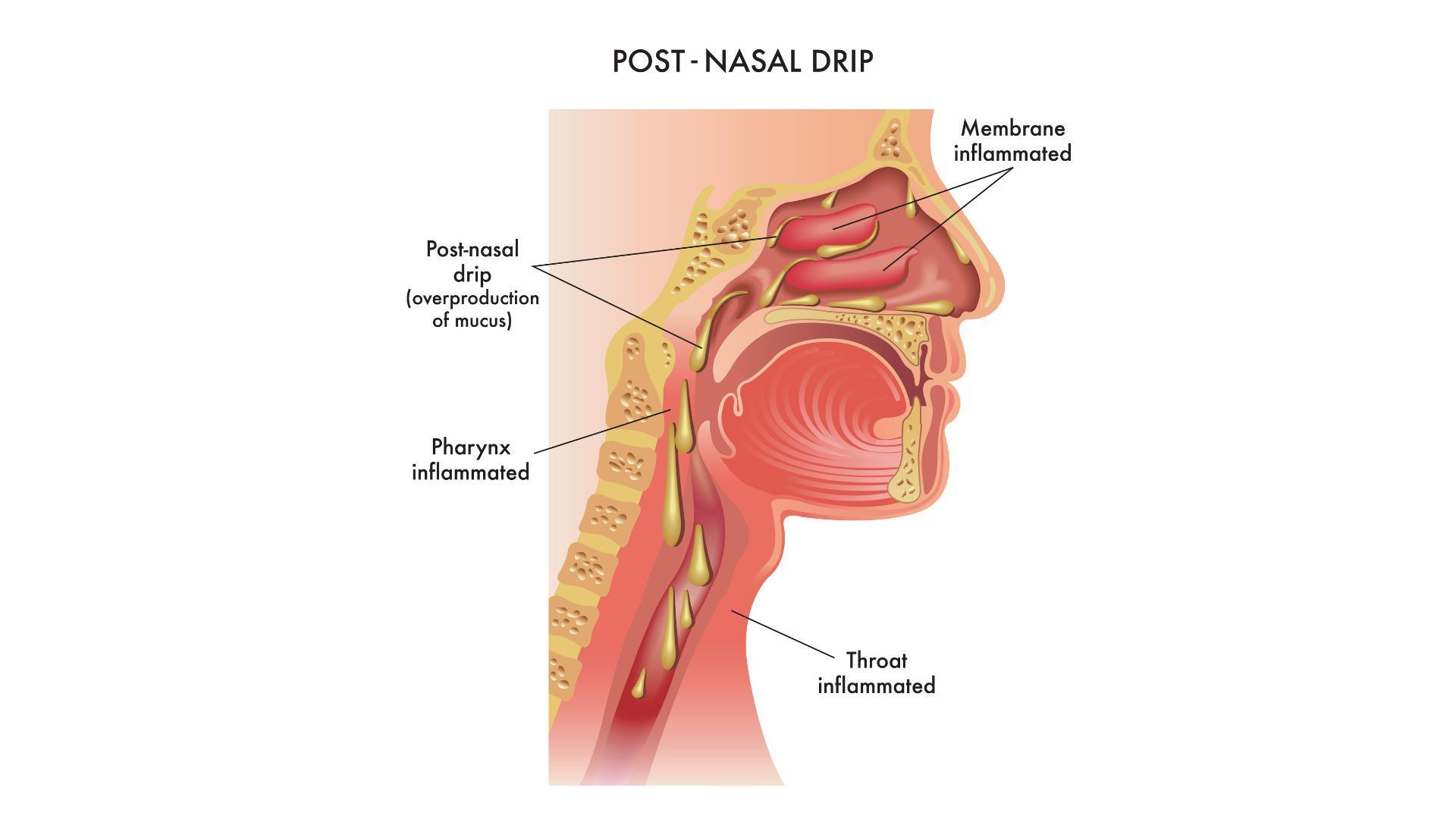
Snoring happens when the tissues in your throat (your soft palate, uvula, and throat muscles) relax during sleep. As you breathe, air passes through these relaxed tissues, causing them to vibrate. That vibration is the sound you hear. It's literally tissue rumbling as air moves through.
Why people snore:
- Natural narrowing of airways as they age
- Extra weight putting pressure on airways
- Enlarged tonsils or adenoids
- Nasal congestion from allergies or a deviated septum
- Sleeping position (snoring is worse on your back)
- Alcohol consumption before bed (relaxes throat muscles more)
- Sleep deprivation
- Certain medications that relax muscles
- Genetics (snoring runs in families)
The annoying part: Snoring is loud. Really loud. Some people snore at 80-90 decibels, which is as loud as a lawnmower. It's no wonder your partner can't sleep.
The good news about simple snoring: If you're just snoring without actually stopping breathing, it's not a medical threat to your health (though it does disrupt your partner's sleep, which isn't great for either of you). You can often reduce snoring with lifestyle changes or simple interventions.
Understanding Sleep Apnea
Now let's talk about the more serious condition: obstructive sleep apnea (OSA).
Sleep apnea is completely different from snoring. While snoring is just noise, sleep apnea means you literally stop breathing during sleep.
Multiple times a night, your airway collapses completely, cutting off oxygen to your brain and body. Your brain notices the oxygen drop and wakes you up just enough to gasp and start breathing again. Then you fall back asleep and the cycle repeats.
Some people experience 30, 50, or even over 100 breathing pauses per hour. That's multiple times per minute where their body isn't getting oxygen.
What causes sleep apnea:
- Airway structure that's naturally narrow or collapses easily
- Extra weight putting pressure on airways
- Large tonsils or adenoids
- Deviated septum or other structural issues
- Nasal obstruction from polyps or inflammation
- Enlarged soft palate
- Larger neck circumference
- Genetics (sleep apnea runs in families)
- Age (more common as you get older)
Why it's serious: Every time your oxygen drops and your brain jolts you awake, it stresses your cardiovascular system. Your heart rate spikes, your blood pressure rises, and stress hormones flood your body. Over time, this repeated stress significantly increases your risk of:
- Heart attack
- Stroke
- Irregular heartbeat
- Heart failure
- Sudden death
- High blood pressure
- Diabetes
Sleep apnea kills people. Not everyone, but it's a serious medical condition that needs to be diagnosed and treated.
Snoring vs. Sleep Apnea: How to Tell the Difference
The challenge is that both conditions involve snoring, so it's not always obvious which one you have. Here's how to tell them apart:
| Sign | Simple Snoring | Sleep Apnea |
|---|---|---|
| Snoring | Yes, but steady | Yes, then sudden silence |
| Breathing Pauses | No | Yes, multiple times per hour |
| Gasping or Choking | No | Yes, suddenly waking and gasping |
| Excessive Daytime Sleepiness | Mild, if at all | Severe (falling asleep at inappropriate times) |
| Morning Headaches | Rarely | Often |
| Waking Unrefreshed | Sometimes | Almost always |
| Concentration Problems | Mild | Significant |
| Memory Issues | Mild | Significant |
| Mood Changes | Possible | Common (irritability, depression) |
| Witnessed Pauses | No | Partner reports seeing breathing stop |
| High Blood Pressure | Possible | Very common |
| Nocturia | Possible | Common (frequent bathroom trips at night) |
Warning Signs You Should See a Specialist
Schedule an appointment with an ENT specialist or sleep medicine doctor if you experience:
Red flags for sleep apnea:
- Your partner has witnessed you stop breathing or gasping for breath during sleep
- You wake up gasping or choking
- You experience extreme daytime sleepiness (falling asleep during conversations, meetings, or while driving)
- You wake up multiple times each night
- You have morning headaches most days
- Your blood pressure is high despite treatment
- You're gaining weight despite healthy eating and exercise
- You have a large neck circumference (over 17 inches for men, 16 inches for women)
- You're male, overweight, or over 40 (risk factors for sleep apnea)
Reasons to address simple snoring:
- Your partner can't sleep because of the noise
- You want to improve sleep quality
- You suspect underlying causes like nasal obstruction or allergies
Getting Diagnosed
If you suspect you might have sleep apnea, diagnosis requires a sleep study. The good news is these are simple and non-invasive.
Home sleep study:
- You wear a small device on your wrist or finger overnight at home
- The device measures breathing patterns, oxygen levels, and heart rate
- No wires, no hospital stay, no cameras
- Results come back in a few days
- Convenient and affordable
In-lab sleep study:
- Performed in a sleep center
- More detailed monitoring
- Usually only done if the home study was inconclusive
- Allows the sleep center to try treatments if sleep apnea is diagnosed
Your doctor can determine which type of study you need.
Treatment Options for Snoring
If you have simple snoring without sleep apnea, several approaches can help:
Lifestyle changes:
- Sleep on your side instead of your back
- Elevate your head 4 inches
- Lose weight if overweight
- Avoid alcohol 3-4 hours before bed
- Avoid sedating medications before bed
- Stay hydrated (dehydration makes snoring worse)
- Treat allergies or nasal congestion
- Humidify your bedroom
Medical approaches:
- Treat underlying allergies or nasal congestion
- Address deviated septum or nasal polyps
- Remove enlarged tonsils or adenoids
Dental devices:
- Mandibular advancement devices that move your lower jaw forward
- Can reduce snoring significantly in some people
Treatment Options for Sleep Apnea
Sleep apnea requires treatment. Your doctor will recommend the best option based on severity and what's causing your apnea.
CPAP (Continuous Positive Airway Pressure):
- Most common first-line treatment
- You wear a mask connected to a machine that keeps your airway open
- Takes adjustment but highly effective
- Used nightly
Lifestyle modifications:
- Weight loss (significant improvement if overweight)
- Sleeping on your side
- Treating underlying allergies
- Avoiding alcohol and sedating medications
Surgical options:
- Removing enlarged tonsils or adenoids
- Correcting deviated septum
- Procedures that open your airway
- Hypoglossal nerve stimulation, including Inspire Therapy
- Used when anatomy is clearly blocking airflow
Other devices:
- Oral appliances that keep your airway open
- Positional therapy devices
- For mild apnea, may be effective alternatives to CPAP
Why This Matters
You might think your snoring is just annoying and your fatigue is just part of getting older. But these symptoms deserve attention.
Untreated sleep apnea significantly shortens lifespan and increases your risk of serious heart and brain problems. Getting diagnosed and treated can literally add years to your life and improve your quality of life right now.
Even simple snoring that doesn't meet the threshold for sleep apnea is worth addressing if it affects your sleep quality or your partner's sleep. Good sleep is essential for health, and if something is keeping you from quality rest, it's worth investigating.
Get Evaluated for Sleep Disorders
Whether you're dealing with simple snoring or suspect you might have sleep apnea, Allergy & ENT Associates can help. Our experienced providers specialize in diagnosing and treating both conditions.
We can evaluate your symptoms, refer you for sleep testing if needed, and create a treatment plan that works for your lifestyle. From simple lifestyle modifications to CPAP management to surgical options, we offer comprehensive sleep disorder care.
Ready to sleep better and feel better? Schedule an appointment at one of our four Middle Tennessee locations.
Hermitage Office
3901 Central Pike #351, Hermitage, TN 37076
Phone: (615) 889-8802
Lebanon Office
920 S Hartmann Dr #100, Lebanon, TN 37090
Phone: (615) 889-8802
Nashville West Office
4230 Harding Pike #400, Nashville, TN 37205
Phone: (615) 386-9089
Hendersonville Office
100 Springhouse Ct Suite 210, Hendersonville, TN 37075
Phone: (615) 889-8802
FAQs About Snoring and Sleep Apnea
Is all snoring a sign of sleep apnea?
No. Many people snore without having sleep apnea. However, sleep apnea does almost always include snoring. The key difference is whether you're stopping breathing. If your snoring is accompanied by gasping, choking, extreme daytime sleepiness, or witnessed breathing pauses, you should get evaluated for sleep apnea.
Can you have sleep apnea without snoring?
Rarely, yes. Most people with sleep apnea snore, but some have sleep apnea without noticeable snoring. If you have symptoms like extreme daytime sleepiness, morning headaches, or witnessed breathing pauses, get evaluated even if you don't snore loudly.
How serious is sleep apnea really?
Very serious. Untreated sleep apnea significantly increases your risk of heart attack, stroke, irregular heartbeat, and sudden death. It also contributes to high blood pressure, diabetes, and cognitive problems. It's not something to ignore.
Can weight loss cure sleep apnea?
In some cases, yes. If your sleep apnea is caused primarily by extra weight, weight loss can significantly improve or even resolve it. However, some people have sleep apnea regardless of weight due to airway structure or other factors.
Does CPAP cure sleep apnea?
CPAP doesn't cure sleep apnea, but it manages it effectively. You use it nightly to keep your airway open while sleeping. If you stop using it, the apnea returns. Some people can resolve sleep apnea through weight loss or surgery, but CPAP is the most common long-term management.
How long does it take to get a sleep study?
Home sleep studies can often be done within a week. Results typically come back within a few days. In-lab studies may take longer to schedule but provide more detailed information if needed.
Will treating my snoring help my partner sleep?
Absolutely. If you successfully reduce snoring through weight loss, nasal treatment, or other interventions, your partner will sleep much better. Even simple changes like sleeping on your side can reduce snoring significantly.
Can children have sleep apnea?
Yes. Children can have sleep apnea, often caused by enlarged tonsils or adenoids. Symptoms in children might include snoring, restless sleep, behavioral problems, or poor school performance. If you suspect your child has sleep apnea, get them evaluated.
FAQs About Allergy & ENT Associates
Do you treat sleep apnea?
Yes. We provide comprehensive
sleep disorder evaluation and treatment, including
obstructive sleep apnea. We can refer you for sleep studies, manage CPAP treatment, and perform surgical procedures when appropriate.
Can you help if nasal issues are contributing to my sleep problems?
Absolutely. Many sleep problems are worsened by
nasal congestion,
deviated septum,
nasal polyps, or untreated
allergies. We can treat these underlying issues to improve your sleep quality.
Do you do sleep studies in-house?
We coordinate sleep studies with local sleep centers and can refer you for home or in-lab studies. We interpret results and create treatment plans based on your specific diagnosis.
What if I'm interested in surgical options for sleep apnea?
We can evaluate whether you're a surgical candidate and perform procedures like
tonsil and adenoid removal,
deviated septum correction, or other airway-opening procedures if appropriate for your situation.
How quickly can I get an appointment?
We typically schedule new patients within one to two weeks. If you're experiencing severe sleep apnea symptoms or safety concerns (like nodding off while driving), let us know and we may have urgent appointment availability.
Which location should I visit?
All four of our Middle Tennessee
locations provide sleep disorder evaluation and management. Choose whichever is most convenient for you.
Don't let sleep problems control your life. Learn more about sleep disorders and obstructive sleep apnea, or contact us today to schedule your sleep evaluation!
Disclaimer: The information provided on this blog is for general informational purposes only and is not intended as, and should not be considered, medical advice. All information, content, and material available on this blog are for general informational purposes only. Readers are advised to consult with a qualified healthcare professional for medical advice, diagnosis, or treatment. The author and the blog disclaim any liability for the decisions you make based on the information provided. Always seek the advice of your physician or other qualified health provider with any questions you may have regarding a medical condition.
Recent Posts