Key Points
- Cotton swabs push earwax deeper and can damage your eardrum—they’re designed for external cleaning only.
- Earwax is protective and self-cleaning; most people don’t need to remove it at all
- DIY removal methods like ear candles, bobby pins, and irrigation can cause serious injuries.
- Professional removal is safer, more effective, and often necessary for impacted wax.
- Certain people are more prone to earwax buildup and need regular professional cleaning.
- Home prevention strategies can reduce buildup without risky removal attempts.
- Symptoms of impacted earwax mimic ear infections but require completely different treatment.
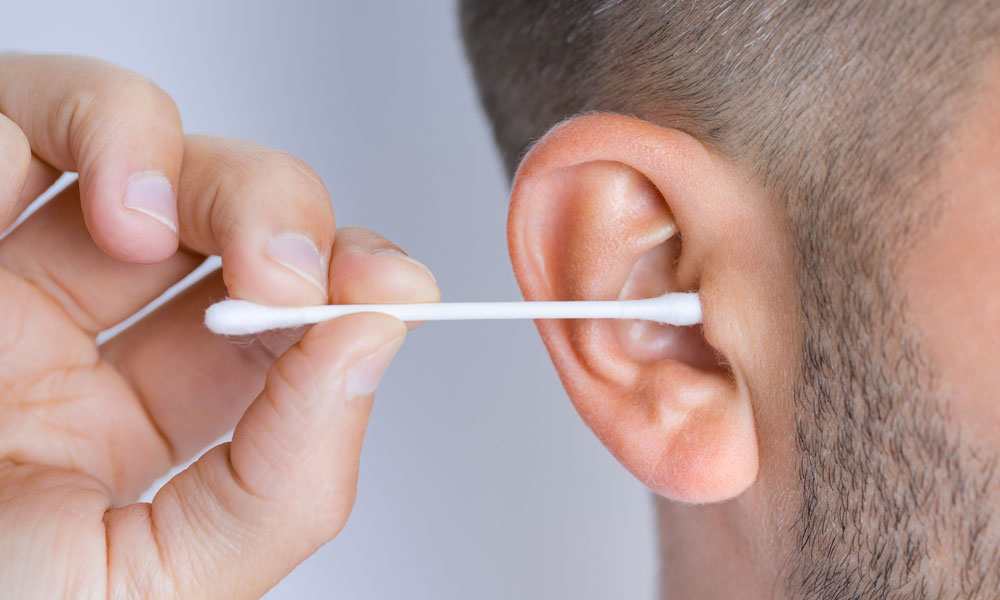
You’ve probably done it a thousand times, grabbed a cotton swab after a shower and swirled it around your ear canal, feeling satisfied when you pull out a wad of yellow-brown wax. It seems logical, right? There’s wax in there, so you should clean it out.
Here’s the uncomfortable truth: that cleaning habit you’ve maintained for years is probably doing more harm than good. In fact, you might be creating the very problem you’re trying to solve.
And, if you’re doing anything more aggressive than cotton swabs—bobby pins, paper clips, ear candles, or homemade irrigation—you’re risking serious damage to your ears.
Every day, ENT specialists treat patients who’ve injured their ears trying to remove earwax at home. Perforated eardrums, impacted wax pushed deep into the canal, infections, and even hearing loss—all from well-intentioned cleaning attempts.
The good news? Once you understand how earwax actually works and what safe removal looks like, you can stop the dangerous habits and protect your ears from unnecessary damage.
What Earwax Actually Does (Hint: It’s Not Just Gross)
Before discussing removal, let’s appreciate what earwax is and why your body produces it. Understanding this changes how you think about ear cleaning entirely.
Earwax Is Protective, Not Dirty
- Cerumen (the medical term for earwax) is a mixture of secretions from glands in your ear canal combined with dead skin cells. It’s not a sign of poor hygiene—it’s a crucial protective substance that:
- Lubricates the ear canal: Without earwax, your ear canals would be dry, itchy, and prone to irritation.
- Traps debris: Dust, dirt, insects, and other particles get caught in earwax before they can reach your eardrum. It’s basically your ear’s first line of defense.
- Protects against infection: Earwax is slightly acidic and contains antimicrobial properties that discourage bacterial and fungal growth. It’s nature’s antibiotic for your ears.
- Water-resistant barrier: Earwax repels water, protecting the delicate skin of your ear canal from prolonged moisture that could cause infections.
Think of earwax like the oil on your skin—it serves important purposes, and aggressively removing all of it creates problems rather than solving them.
The Self-Cleaning Ear
Here’s what most people don’t know: your ears are self-cleaning. The skin lining your ear canal grows in a unique pattern that naturally migrates earwax outward.
This migration happens constantly and automatically. As new skin cells form deep in the canal near your eardrum, older cells (mixed with earwax) slowly move toward the outer ear. Eventually, they reach the opening where they dry up and flake away or get washed away during showers.
This elegant system works beautifully—until we interfere with it.
When Earwax Becomes Problematic
If ears self-clean, why do some people develop earwax problems? Several factors can disrupt the natural process:
- Narrow or irregularly shaped ear canals: Some people’s ear anatomy makes natural migration difficult.
- Overproduction: Certain people produce more wax than average, overwhelming the self-cleaning system.
- Age: Earwax becomes drier and harder to naturally expel as we age.
- Hearing aids or earplugs: Regular use of devices that sit in the ear canal can prevent natural wax migration and push wax deeper.
- Previous damage: Scarring or trauma to the ear canal can disrupt the self-cleaning mechanism.
- Skin conditions: Eczema, psoriasis, and other conditions can affect earwax consistency and migration.
- Cotton swab use: Ironically, regular cleaning with cotton swabs is one of the main causes of earwax problems by pushing wax deeper instead of removing it.
The Hall of Shame: Dangerous Earwax Removal Methods
Let’s address the methods people commonly use at home and why each one is problematic. Unsafe earwax removal methods cause thousands of emergency room visits annually.
Cotton Swabs: Public Enemy Number One
Those packages of cotton swabs literally say “Do Not Insert Into Ear Canal” on the box. Yet somehow, this has become the default ear cleaning method for millions of people.
Why cotton swabs are dangerous:
- They push wax deeper: The swab’s tip is often wider than the narrowest part of your ear canal. When you insert it, you’re essentially creating a piston that compresses wax and pushes it toward your eardrum rather than removing it.
- They create impaction: Repeated pushing eventually creates a hard plug of compressed wax deep in your canal—exactly the opposite of what you intended.
- Risk of perforation: One slip, one unexpected bump, and you can puncture your eardrum. This is surprisingly common and can cause permanent hearing damage.
- They cause irritation: The cotton tip can scratch the delicate skin lining your ear canal, leading to inflammation, itching, and increased infection risk.
- They trigger overproduction: Removing protective wax signals your glands to produce more, creating a vicious cycle of cleaning and overproduction.
Cotton swabs are fine for cleaning the outer ear and the bowl-shaped area around the opening. But they should never go into the ear canal—ever.
Ear Candles: Pseudoscience at Its Worst
Ear candling involves placing a hollow cone-shaped candle in your ear and lighting the other end. Proponents claim the heat creates suction that pulls out earwax and “toxins”.
This doesn’t work. Multiple studies have proven ear candling:
- Doesn’t remove earwax.
- Doesn’t create any measurable suction.
- Can burn your face, hair, or ear canal.
- Drips hot wax INTO your ear (the opposite of the goal).
- Can perforate your eardrum.
- Might push wax deeper.
The brown waxy residue people see afterward isn’t from their ears—it’s residue from the burned candle itself. You can prove this by burning a candle without it being near an ear. You’ll get the same residue.
The FDA has issued warnings against ear candling. It’s not just ineffective—it’s genuinely dangerous.
Bobby Pins, Paper Clips, and Other Sharp Objects
Using anything sharp or rigid to scrape out earwax is asking for trouble. ENT doctors have removed all sorts of objects from injured ear canals:
- Bobby pins
- Paper clips
- Keys
- Pen caps
- Hairpins
- Toothpicks
The dangers are obvious:
- Perforated eardrums.
- Deep scratches and lacerations.
- Pushed wax impactions.
- Introduced bacteria leading to severe infections.
- Hearing loss.
If cotton swabs are risky, rigid metal or plastic objects are exponentially worse.
Homemade Irrigation Without Guidance
Water irrigation can be effective when done properly, but DIY ear irrigation often goes wrong:
- Excessive pressure: Using syringes, water picks, or shower heads can blast water into your ear with dangerous force, potentially rupturing your eardrum.
- Wrong temperature: Water that’s too cold or too hot can cause severe dizziness (caloric stimulation of the inner ear).
- Introducing infection: Tap water isn’t sterile. Forcing it into your ear canal can introduce bacteria, especially if you’ve scratched the canal previously.
- Pushing wax deeper: Incorrect technique can compact wax rather than flush it out.
Professional irrigation uses controlled pressure, sterile solution, proper temperature, and specific techniques that make it safe and effective.
Hydrogen Peroxide Overuse
While hydrogen peroxide can soften earwax, overuse creates problems:
- Excessive dryness and irritation.
- Disruption of the ear canal’s natural pH.
- Potential for infection if used too frequently.
- Ineffectiveness against hard, impacted wax.
Occasional use as directed is generally safe, but it’s not a substitute for professional care when wax is truly impacted.
Recognizing Problematic Earwax: When to Seek Help
Symptoms of impacted earwax often mimic other ear problems, which is why professional evaluation is important:
Hearing Changes
- Gradual hearing loss in one or both ears.
- Muffled sounds, like you’re underwater.
- Sudden hearing reduction after water exposure (swimming, showering).
- Difficulty hearing in noisy environments.
Physical Sensations
- Fullness or pressure in the ear.
- Earache (without other infection symptoms).
- Ringing or buzzing (tinnitus).
- Itching deep in the ear canal.
- Dizziness or balance problems.
Unusual Discharge
- Drainage from the ear.
- Odor from the ear canal.
- Visible wax at the ear opening.
What It’s Not
Earwax impaction typically doesn’t cause:
- Fever.
- Severe pain (mild discomfort is possible).
- Red, swollen outer ear.
If you have these symptoms, you are likely to have an ear infection rather than simple wax buildup and need different treatment.
Professional Earwax Removal: What ENTs Actually Do
When you visit an ENT specialist for earwax problems, you’ll experience professional earwax removal that’s safe, effective, and often surprisingly quick.
Examination Comes First
Your ENT will examine your ears using an otoscope (lighted instrument) or microscope to:
- Determine if earwax is actually the problem.
- Assess the amount and location of wax.
- Check for other issues like infection, foreign objects, or eardrum damage.
- Decide the best removal method.
Sometimes what you thought was earwax is actually a different issue requiring different treatment.
Professional Removal Methods
Manual Removal (Curette): Using specialized instruments under direct visualization, the ENT carefully removes wax. This method:
- Provides precise control
- Works well for hard, impacted wax
- Allows immediate assessment of results
- Carries minimal risk when performed by trained professionals
Irrigation: Professional irrigation uses:
- Body-temperature sterile solution.
- Controlled, appropriate pressure.
- Proper technique to avoid injury.
- Immediate assessment to ensure complete removal.
Suction: A small suction device removes wax under direct visualization:
- Very gentle and controlled.
- Excellent for soft wax.
- Good option for people with perforated eardrums who can’t have irrigation.
- Allows visualization throughout the procedure.
Combination Approaches: Often, ENTs use multiple methods in one session—softening agents followed by irrigation, or manual removal combined with suction.
Why Professional Removal Is Superior
- Safety: Direct visualization prevents injury to the canal and eardrum.
- Completeness: ENTs can ensure all wax is removed, not just surface material.
- Diagnosis: Examination might reveal other problems contributing to symptoms.
- Efficiency: What might take you multiple dangerous at-home attempts takes professionals minutes.
- Comfort: While not always pleasant, professional removal is typically much less uncomfortable than DIY attempts.
Safe At-Home Ear Care: What You Can Do
If professional removal isn’t immediately accessible or you want to maintain ear health between visits, safe ear cleaning at home follows specific guidelines:
Prevention Strategies
Clean Only the Outer Ear: Wash the visible parts of your ear—the bowl-shaped area and outer ear—with a washcloth during showers. That’s it. Don’t go into the canal.
Let Water Do Its Job: During showers, let warm water run into your ears naturally. This gentle rinse helps maintain the self-cleaning process without interference. Dry the outer ear afterward.
Use Softening Drops Sparingly: Over-the-counter ear drops designed to soften wax can help maintain natural migration:
- Use only as directed on packaging.
- Don’t use it if you have eardrum perforation or ear tubes.
- Stop if you experience pain or irritation.
Options include:
- Mineral oil drops
- Glycerin-based drops
- Commercial cerumenolytic solutions
Protect During Swimming: If you’re prone to impaction, wear earplugs while swimming to prevent water from pushing wax deeper.
What to Avoid
Never insert anything into the ear canal:
- No cotton swabs beyond the outer ear.
- No bobby pins, fingers, or other objects.
- No candles or cones.
Don’t use excessive force:
- No high-pressure irrigation.
- No aggressive scraping or digging.
Stop if you feel pain: Any ear care that causes pain is damaging tissue. Stop immediately and consult a professional.
When to Schedule Regular Professional Cleaning
Some people need professional earwax removal regularly, perhaps every 6-12 months. This includes:
- Hearing aid users: Devices can prevent natural wax migration and push wax deeper.
- Frequent swimmers: Water exposure can affect wax consistency and migration.
- Narrow or unusual ear canals: Anatomical variations that impede self-cleaning.
- Elderly individuals: Earwax often becomes drier and harder to expel with age.
- People with certain skin conditions: Eczema, psoriasis, or seborrhea can affect earwax production and consistency.
Regular professional cleaning prevents impaction and maintains ear health without home intervention risks.
Special Considerations
Children’s Ears
Kids are especially vulnerable to earwax problems and injury:
- Never insert anything into a child’s ear canal.
- Don’t attempt home irrigation.
- Watch for hearing changes or complaints of fullness.
- Schedule professional evaluation if concerned.
Children’s ear canals are smaller and more delicate than adults’, making injury more likely and potentially more serious.
Ears with Tubes or Perforations
If you have ear tubes or a perforated eardrum:
- Never use irrigation or ear drops without ENT approval.
- Be extremely cautious about water exposure.
- Seek professional care exclusively for wax removal.
- Protect ears during swimming and showering.
After Ear Surgery
Following any ear surgery:
- Follow your surgeon’s specific cleaning instructions.
- Don’t assume normal ear care rules apply.
- Schedule appropriate follow-up appointments.
- Report any concerning symptoms immediately.
The Allergy & ENT Associates Approach
At Allergy & ENT Associates of Middle TN, we understand that earwax problems affect quality of life—from muffled hearing to constant ear pressure. Our experienced ENT specialists provide:
- Thorough Examination: We don’t just remove wax; we assess overall ear health and identify any underlying issues.
- Safe, Effective Removal: Using the latest techniques and equipment, we remove earwax safely without damaging your ears.
- Patient Education: We help you understand your specific ear care needs and develop appropriate home care strategies.
- Ongoing Management: For patients needing regular professional cleaning, we schedule appropriate follow-up to prevent impaction.
- Convenient Locations: With offices in Nashville, Hermitage, and Lebanon, TN, expert ear care is accessible throughout Middle Tennessee.
Breaking the Cotton Swab Habit
If you’ve been using cotton swabs for years, stopping can feel strange. Your ears might feel “dirty” even though they’re healthier than ever. Here’s how to break the habit:
- Understand the urge: The satisfaction you feel from swabbing is often from stimulating nerve endings, not from actual cleaning need.
- Replace the habit: If you must do something, gently clean the outer ear with a washcloth during showers.
- Give it time: After a few weeks without swabbing, the compulsion usually fades.
- Notice improvements: You’ll likely experience less itching, less wax buildup, and better overall ear comfort once you stop interfering.
- Trust the process: Your ears know how to clean themselves. Let them do their job.
When to Seek Professional Help
Schedule an appointment with an ENT specialist if you experience:
- Hearing loss or muffled hearing lasting more than a few days.
- Ear fullness or pressure that doesn’t resolve.
- Visible wax builds up at the ear opening.
- Pain, drainage, or signs of infection.
- Dizziness or balance problems.
- Tinnitus (ringing or buzzing).
- Previous ear injuries or chronic ear problems.
- Unsuccessful home care attempts.
Don’t wait until symptoms are severe. Early professional intervention prevents complications and provides relief faster than struggling with home remedies.
FAQs About Earwax Removal
How often should I clean my ears?
For most people, the outer ear only needs cleaning during regular bathing. The ear canal cleans itself and doesn’t need intervention. If you’re prone to buildup, schedule professional cleaning as recommended by your ENT.
Can earwax cause permanent hearing loss?
Impacted earwax causes temporary hearing loss that completely resolves once wax is removed. However, aggressive home removal attempts can cause permanent damage to your eardrum or ear structures.
Why do my ears itch after I stopped using cotton swabs?
You may experience temporary itching as your ear canals adjust to their natural state. This typically resolves within a few weeks. If itching persists, consult an ENT to rule out other causes.
Is it normal to have different amounts of wax in each ear?
Yes, it’s completely normal for wax production and accumulation to differ between ears. Asymmetry doesn’t indicate a problem unless accompanied by symptoms.
Can I prevent earwax buildup?
You can’t control how much wax your body produces, but avoiding cotton swabs and letting the natural self-cleaning process work will prevent problematic buildup. Some people simply need regular professional cleaning.
Does diet affect earwax production?
Diet doesn’t significantly influence earwax production or consistency for most people. Hydration helps maintain overall health but won’t prevent earwax issues.
FAQs About My Allergy ENT
Do you treat earwax problems?
Yes, professional earwax removal is a routine service we provide. Our ENT specialists use the safest, most effective methods for complete wax removal.
Where are your offices located?
We have three convenient Middle Tennessee locations: Nashville West (615-386-9089), Hermitage (615-889-8802), and Lebanon (615-889-8802).
How long does earwax removal take?
Most earwax removal appointments take 15-30 minutes, including examination and removal. You’ll often experience immediate relief once wax is removed.
Is earwax removal painful?
Professional removal should not be painful. You might feel pressure or mild discomfort, but the procedure is generally well-tolerated. If you experience pain, tell the provider immediately.
How do I schedule an appointment?
Call any of our locations or visit www.myallergyent.com to request an appointment. We’ll schedule an evaluation and provide appropriate treatment.
Will my insurance cover earwax removal?
Many insurance plans cover medical earwax removal when impaction causes symptoms. Our office can verify your specific coverage and benefits.
Stop risking your ear health with dangerous home removal methods. Contact Allergy & ENT Associates today for safe, professional earwax care. Call our Nashville West office at (615) 386-9089, or our Hermitage/Lebanon offices at (615) 889-8802.
Visit www.myallergyent.com to learn more and schedule your appointment for expert ear care.
